
Wish Collection
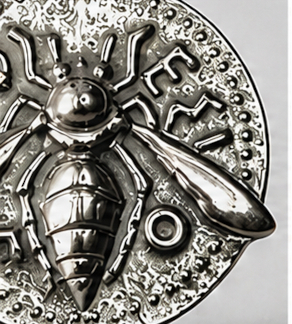
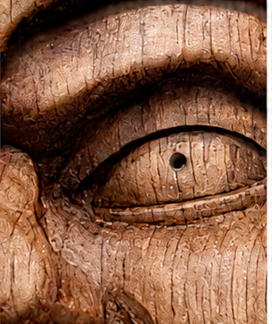
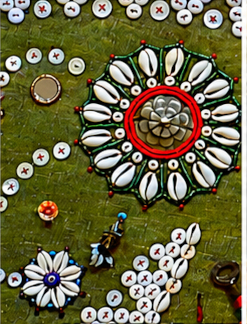
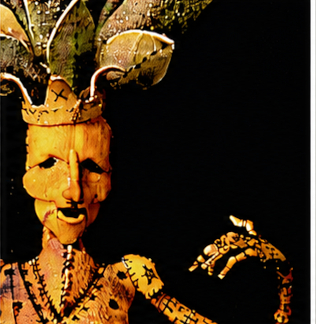
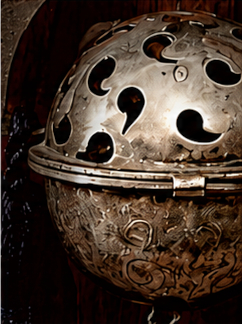
My Master’s degree gave me the opportunity to develop research gathered during several visits to Anatolia, particularly my study of Phrygian and Hittite rock sanctuaries and trees dressed with votive rags. I was also granted access to the British Museum’s storerooms, allowing me to examine objects that further informed the collection. These sources were combined with the knowledge I had gained through working within the fine jewellery market.
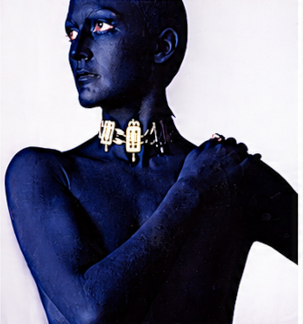
The Wish Collection brought these different strands of research together while allowing me to examine and better understand my own creative methodology. Sketchbook drawings developed into card models, which were photographed and manipulated in Photoshop to create evocative digital compositions. These studies then informed the design and construction of the finished jewellery.
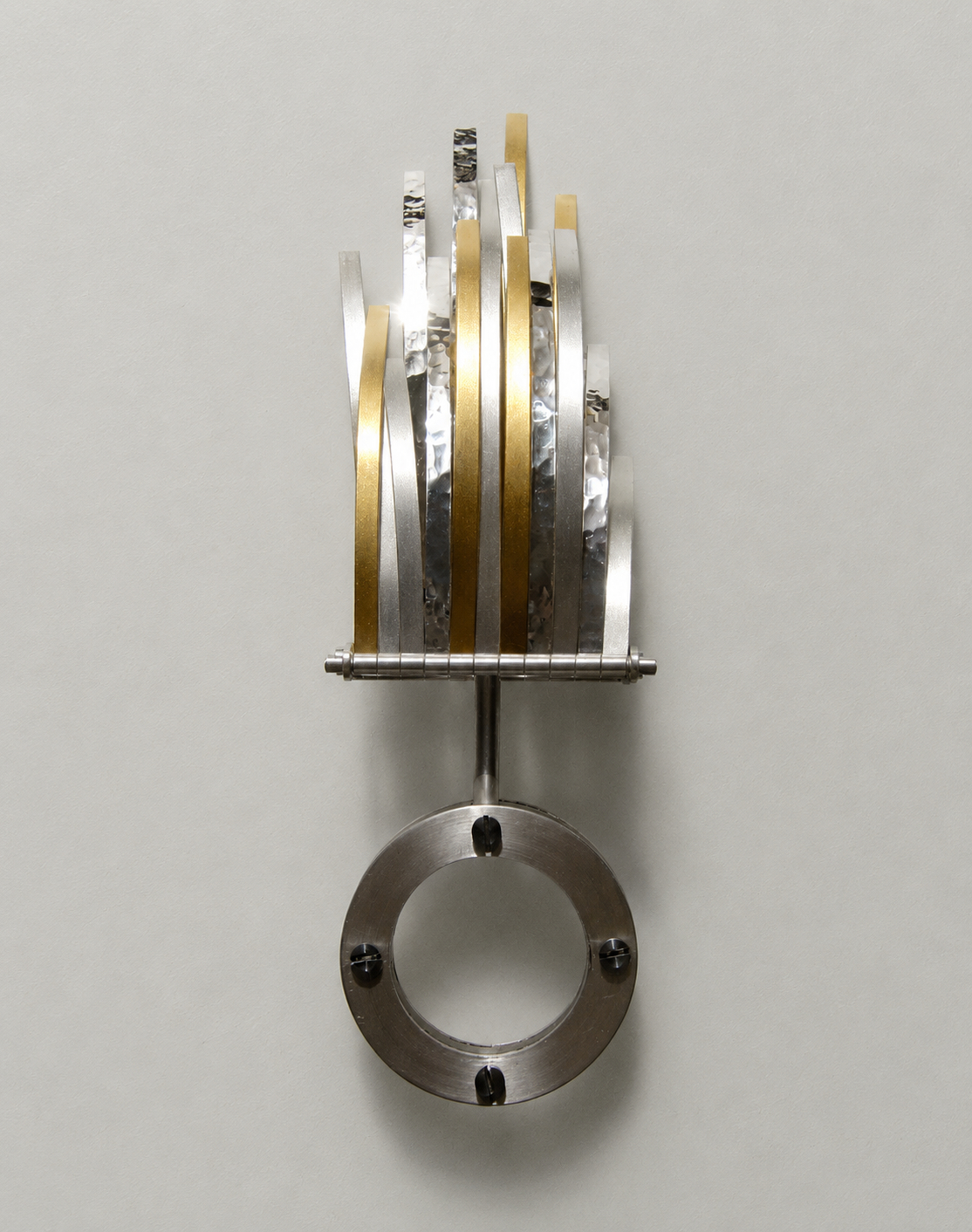
Design and making took place simultaneously. Precious pieces were fabricated while other ideas continued to develop, creating a fluid and cyclical process in which each stage informed the next. The digital studies initially represented the collection as diamond-set fine jewellery. To reduce manufacturing costs while retaining the intended visual impact, I reinterpreted the designs using a range of alternative materials, textures and surface finishes.
Each piece was entirely hand-fabricated as an articulated item of jewellery. The project strengthened my understanding of making as a form of research and made me more conscious of the methods that underpin my practice. The collection formed part of the work for which I was awarded a Master’s degree with distinction.
The Wish Collection brought these different strands of research together while allowing me to examine and better understand my own creative methodology. Sketchbook drawings developed into card models, which were photographed and manipulated in Photoshop to create evocative digital compositions. These studies then informed the design and construction of the finished jewellery.
Design and making took place simultaneously. Precious pieces were fabricated while other ideas continued to develop, creating a fluid and cyclical process in which each stage informed the next. The digital studies initially represented the collection as diamond-set fine jewellery. To reduce manufacturing costs while retaining the intended visual impact, I reinterpreted the designs using a range of alternative materials, textures and surface finishes.
Each piece was entirely hand-fabricated as an articulated item of jewellery. The project strengthened my understanding of making as a form of research and made me more conscious of the methods that underpin my practice. The collection formed part of the work for which I was awarded a Master’s degree with distinction.
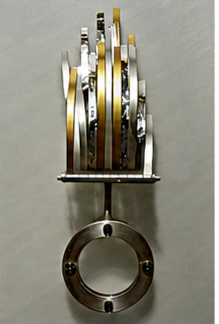
Ring: silver, gold, steel, acrylic.




All items © Marti Dean. All rights reserved